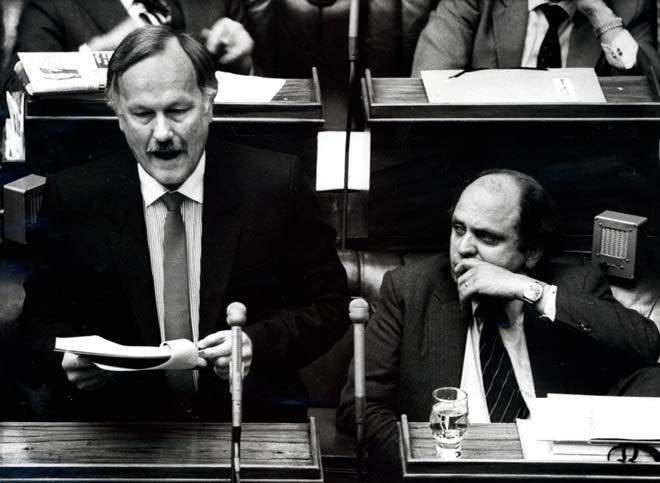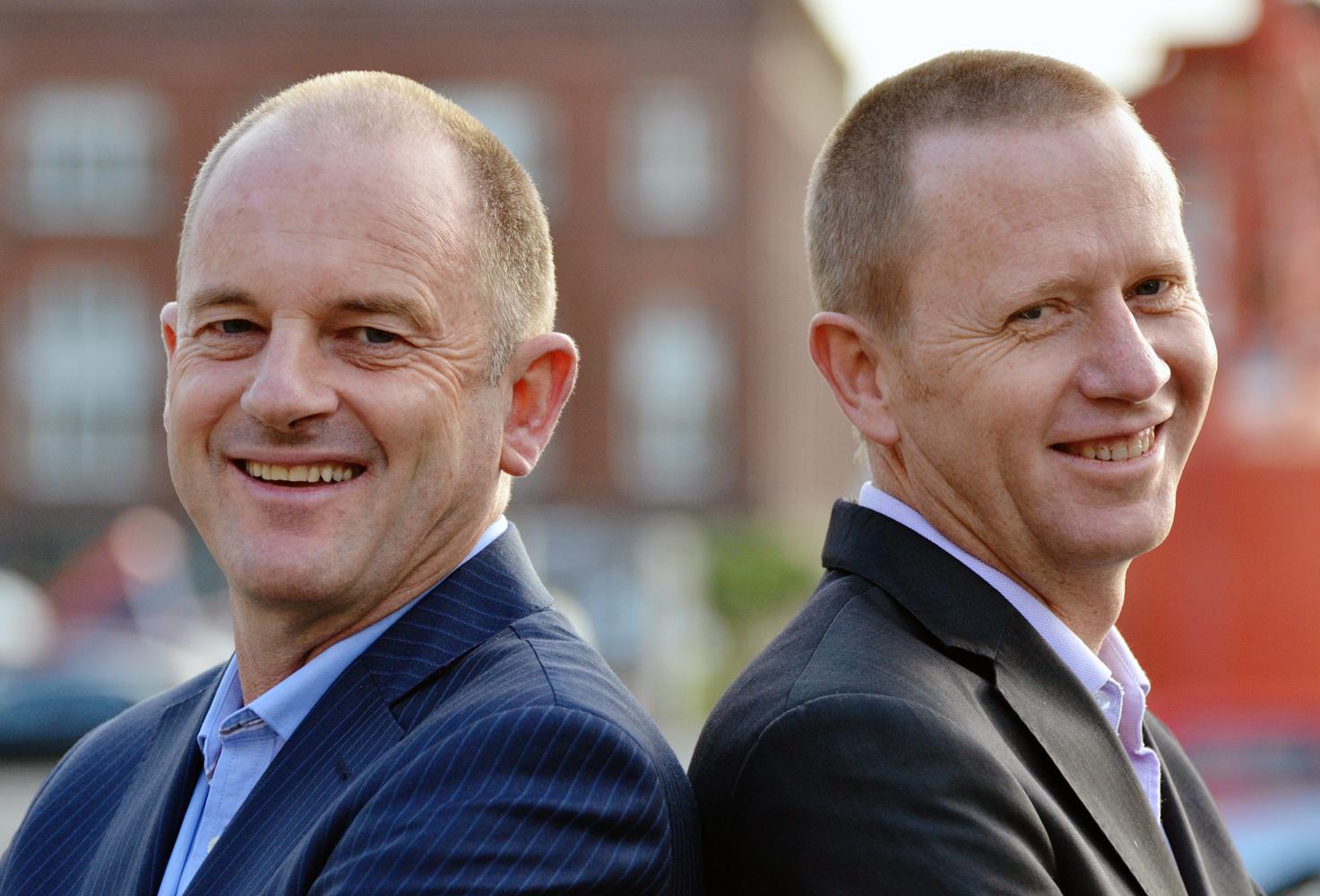
Only A Superficial Likeness: With the electoral logic of the 2014 General Election driving Labour and the Greens in opposite ideological directions, the prospect of David Shearer and Russel Norman negotiating a viable (let alone a durable) coalition agreement grows steadily more remote.
THE BURDENS OF SUCCESS are often as heavy, or heavier, than
the dead weight of failure. Contemplating the latest poll results, the Greens could
be forgiven for thinking that their party’s rising level of public support contains
as many risks as it does rewards.
As Labour’s more adventurous supporters abandon David
Shearer’s sprawling centrist encampment, their places are being taken by
refugees from National’s suddenly inhospitable political territory. If this
process continues, the ability of both the Greens and Labour to negotiate a
workable coalition agreement in 2014 will steadily diminish.
The Greens’ planning up until now has been based on the
assumption that Labour will remain a distinct political destination: a party whose
foundations are sufficiently solid to carry the weight of a joint, red/green, policy
platform. But what will happen to Labour’s foundations if Mr Shearer decides to
make his erstwhile National supporters feel more comfortable?
Was the closed strategy session at last weekend’s Green
Party AGM called to address the worrying possibility that, by 2014, Labour may
have ceased to be a genuine ideological terminus and become, instead, a place where
voters pause, temporarily, on their way to somewhere else?
If Labour does indeed become an electoral transit station,
then the political calculus of the 2014 election becomes extremely problematic.
The Greens intend to grow their support by offering voters a clear and
uncompromising alternative to both Labour and National. But Labour can only
replace the voters it loses to the Greens by luring supporters across from
National’s ranks.
The two parties that, together, constitute the most likely
electoral alternative to the incumbent regime, will, thus, end up working at
cross-purposes to one another. To enlarge their electoral base the Greens must appeal
to Labour’s left-wing supporters. To make itself more acceptable to National
moderates, Labour must move to the right. Instead of drawing closer together,
ideologically, these two putative coalition partners will end up moving farther
apart.
This ideological disjunction will not be improved by the
obvious need for Labour and the Greens to share out the twenty-or-so Cabinet
seats between them. If, for example, the Greens attract 15 percent of the Party
Vote and Labour 35 percent, Russel Norman will have every right to demand 6 or
7 seats at the cabinet table for his party. Who will Mr Shearer sacrifice? Are
the disappointed prospective cabinet ministers more likely to come from the
left of his caucus, or the right?
Given that Mr Norman’s choices are all likely to be more
left-wing than anyone Labour puts forward, Mr Shearer’s most
sensible choice – unless he wants a Cabinet top-heavy with leftist ministers –
would be to choose his ministers from Labour’s centre and right-wing factions.
Where will this leave David Cunliffe, I wonder? Or Phil Twyford?
Long before the first vote of the 2014 general election is
cast, a significant number of Labour politicians will be casting a jealous eye
in the direction of their caucus colleagues and asking themselves: “How can I
make sure that it’s s/he who misses out and not me?” This is not a
question calculated to lift a political party’s morale, or help it come together as
a match-fit electoral team.
The Greens, too, will be asking themselves some daunting
questions. Most obviously: “How can a party committed to clear and
uncompromising economic, environmental and social policies possibly cohere with
a party whose policies have been carefully fudged so as not to offend the
right-wing prejudices of middle-class suburbia?” And, equally importantly: “How can we
prevent six ideologically isolated Green Party cabinet ministers from been
drawn into the vortex of collective cabinet responsibility, without (quite
impractically) dissenting from virtually every decision the right-wing Labour
majority makes?”
How long will it be before the Greens’ cabinet ministers
start seeing themselves as half-a-dozen virgins in a brothel?
“Be careful what you
wish for – you just might get it.” For the Green Party, that time-worn cliché could
hardly be more apposite.
This essay was
originally published in The Dominion Post, The Otago Daily Times, The
Waikato Times, The Taranaki Daily
News, The Timaru Herald and The Greymouth Star of Friday, 8 June 2012.